
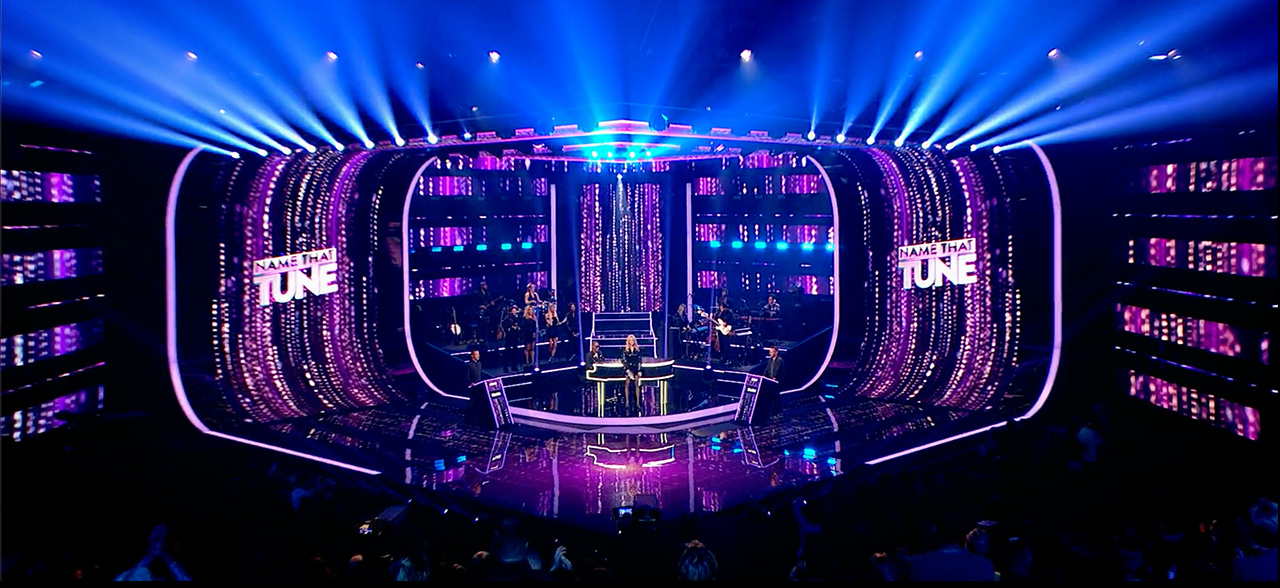
Role: Disguise Media Server & Hog Lighting Desk Operator
Clients: High Res x BiggerStage x FOX Entertainment
Seasons: 3, 4 & 5 (Celebrity NTT)
Name That Tune for FOX was my first major studio show after Dancing with the Stars. The show was already programmed in Disguise and operated from a Hog lighting desk. At that point, I had never used a Hog desk before and was still relatively new to media servers.
I learned quickly.
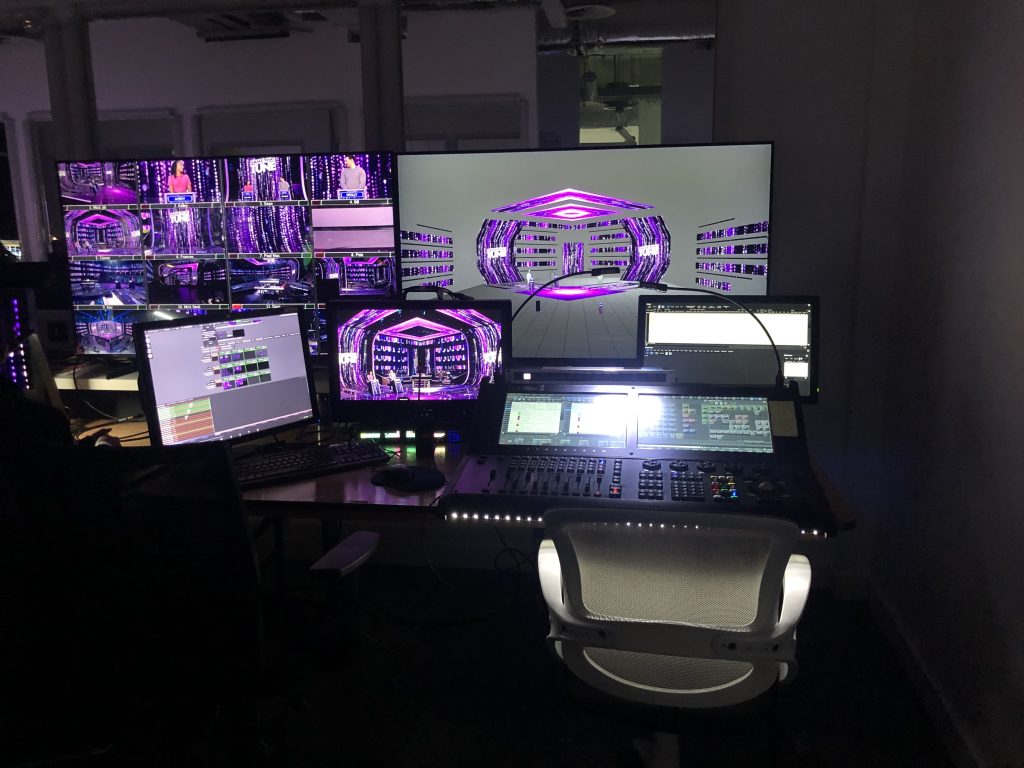
For Season 3, I worked closely with ByLex while building and understanding the server system. The previous operator, Luis Poveda, had a scheduling clash and brought me through the Hog showfile he had built. He walked me through the structure and workflow before handing over the desk.
That season became a steep but valuable learning curve.
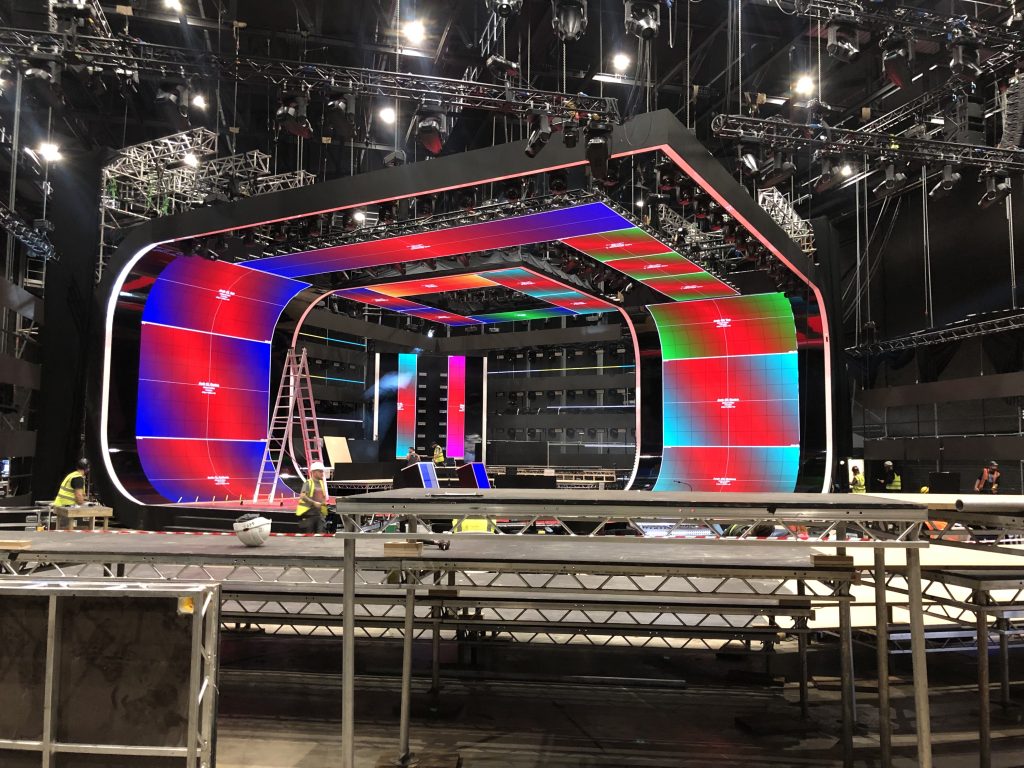
By Name That Tune Seasons 4 and 5, I was the primary operator. I also upgraded the project to newer versions of Disguise each season. Each version jump introduced its own issues, so troubleshooting became part of the rhythm. Onsite, a bit of time is always spent fixing mappings for the LED walls or the contestant podiums, as each year we’ve done it, some small piece slips somewhere. Every time, we got it back to smooth playback before filming began. Once the system settled, we would spend nearly three weeks running the show in the studio.
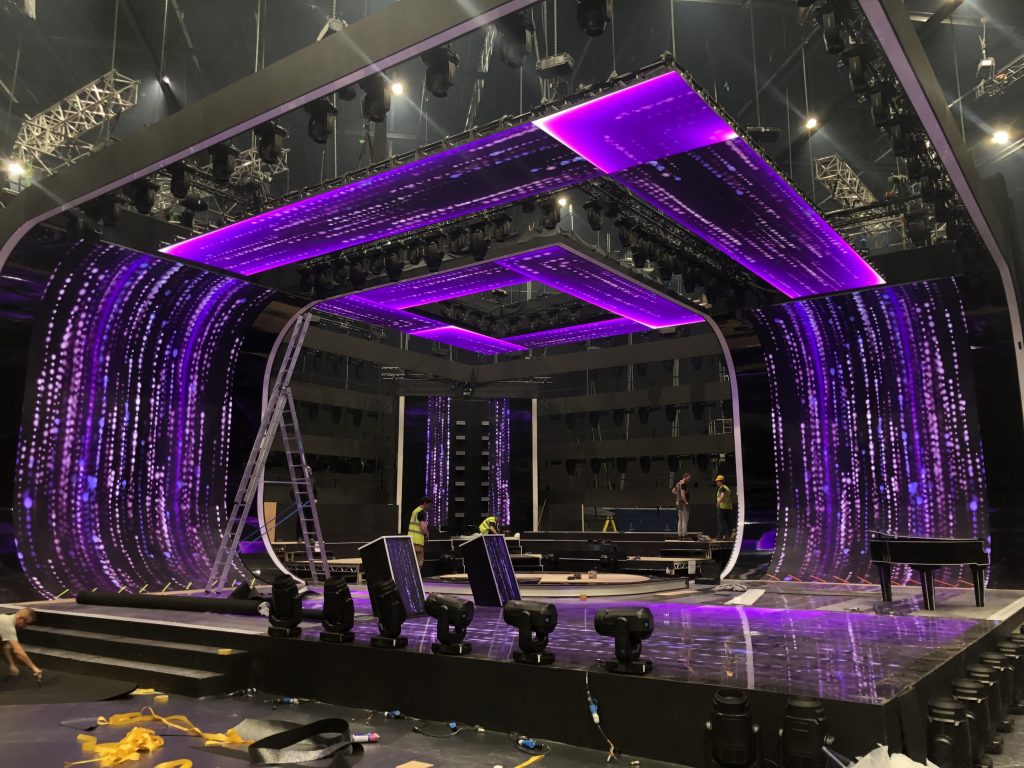
This was also my first show where the gameplay elements were properly live and reactive. During certain rounds, I would bring up a PIP overlay on one of the LED pillars so the contestants could see the graphics tied to the game.
It added another layer of pressure because it was not just playback anymore. The graphics, whether the game or the countdown clock, responded to something happening in real time on stage. If it were late, wrong, or missed, everyone would see it instantly. It forced me to stay sharp and properly locked in with the games and lighting teams.
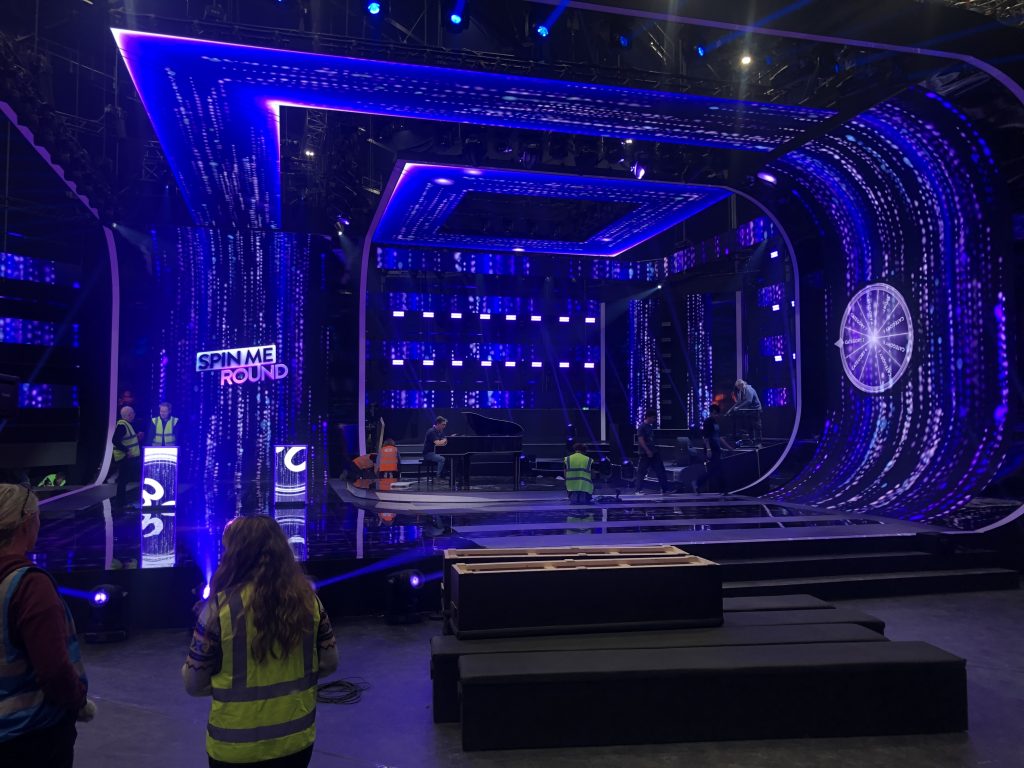
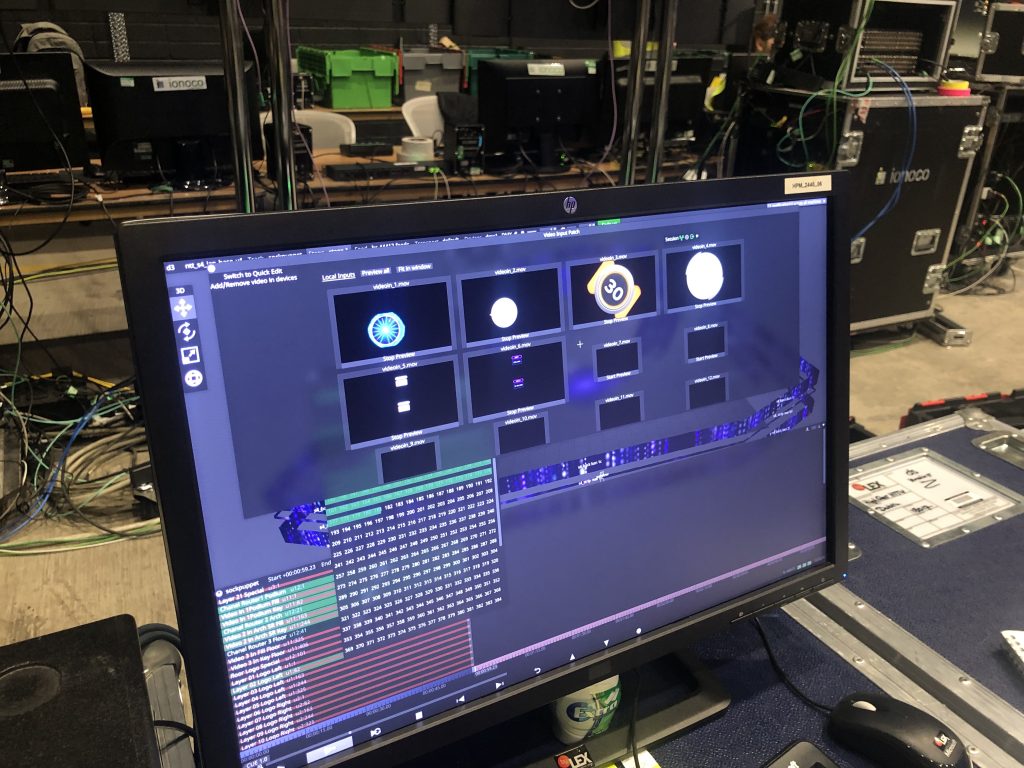
One of the hardest parts of the job had nothing to do with technology. The music is treated as top secret as the games team go to extraordinary lengths to protect fairness and confidentiality. Only a small number of people know the tracks in advance. Because I prepared graphics for the games, I would learn the selected songs at the start of each filming day. From that point forward, discretion was part of the role.
Seeing how carefully the format protects its integrity gave me a deeper respect for the production. I even stopped listening to music on my drive to work to avoid accidentally humming or referencing a track without thinking. It sounds minor, but that level of awareness requires discipline. By Seasons 4 and 5, it had become second nature.
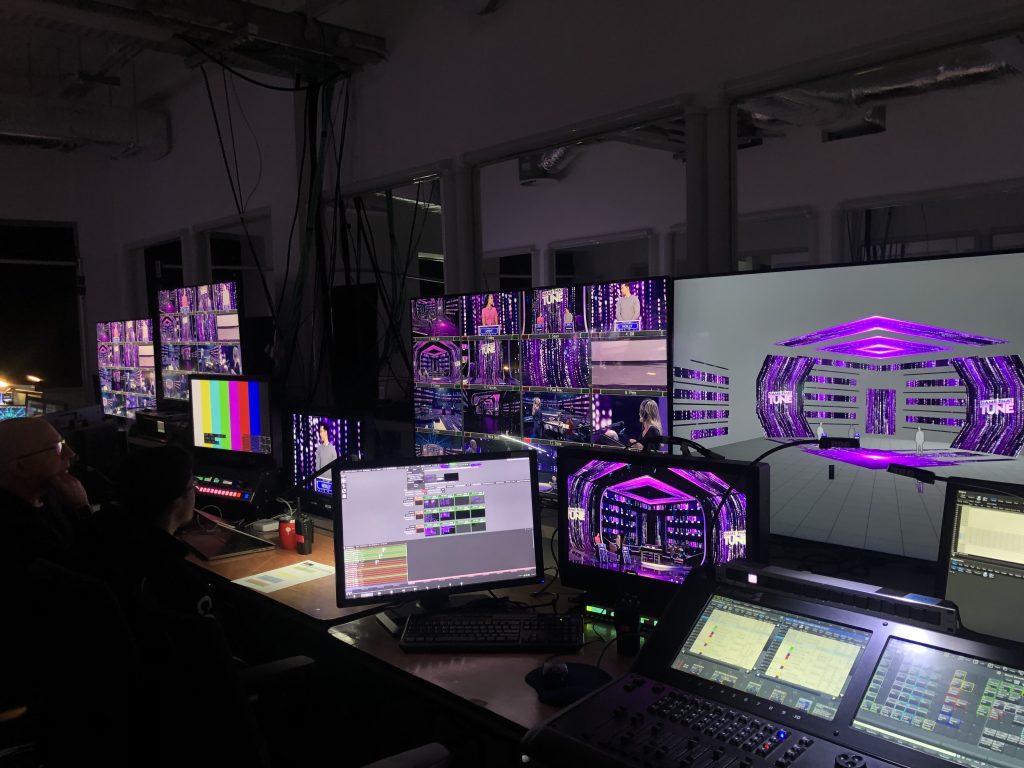
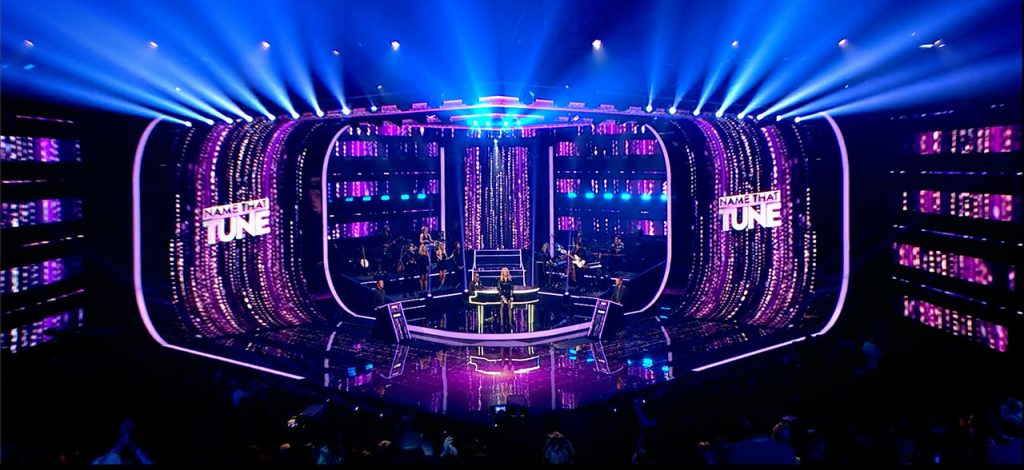
Technically, it is a large-scale production with extensive LED and lighting integration. However, once you settle into the rhythm of the format, it becomes a smooth and genuinely enjoyable show to operate. I often find myself getting caught up in playing along.