Role: Disguise Media Server Programmer & Operator
Clients: High Res x Netflix
Shot: May 2024 (S2)
Released: September 2025 (S2)
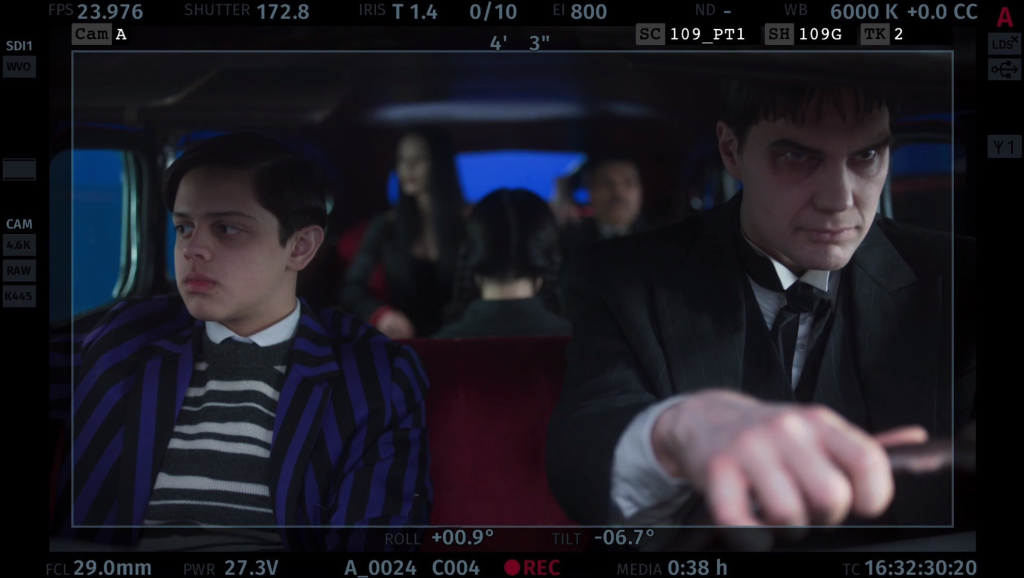
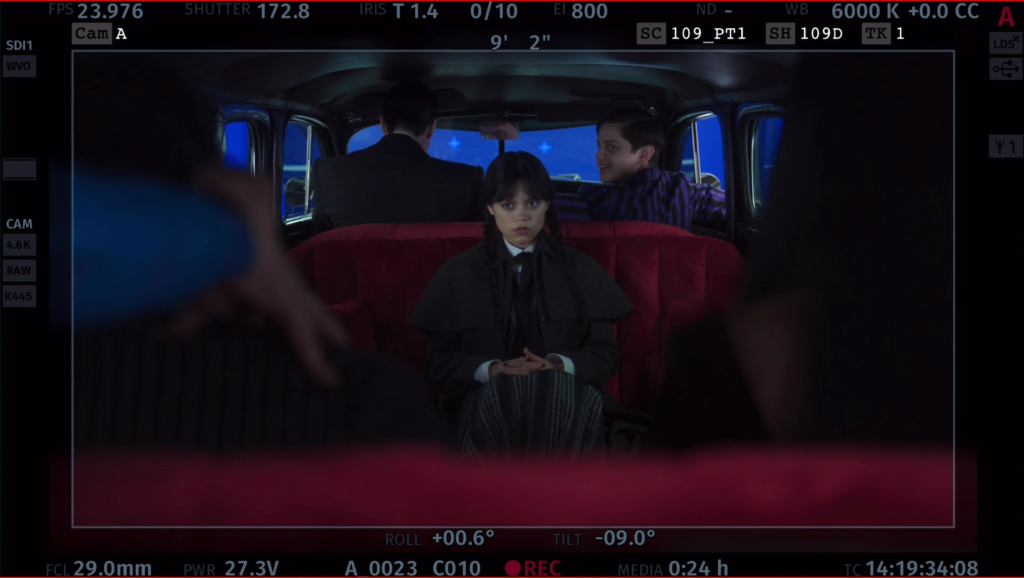
This project pushed me into a different VP workflow because VFX drove the process and lighting had to integrate tightly with it.
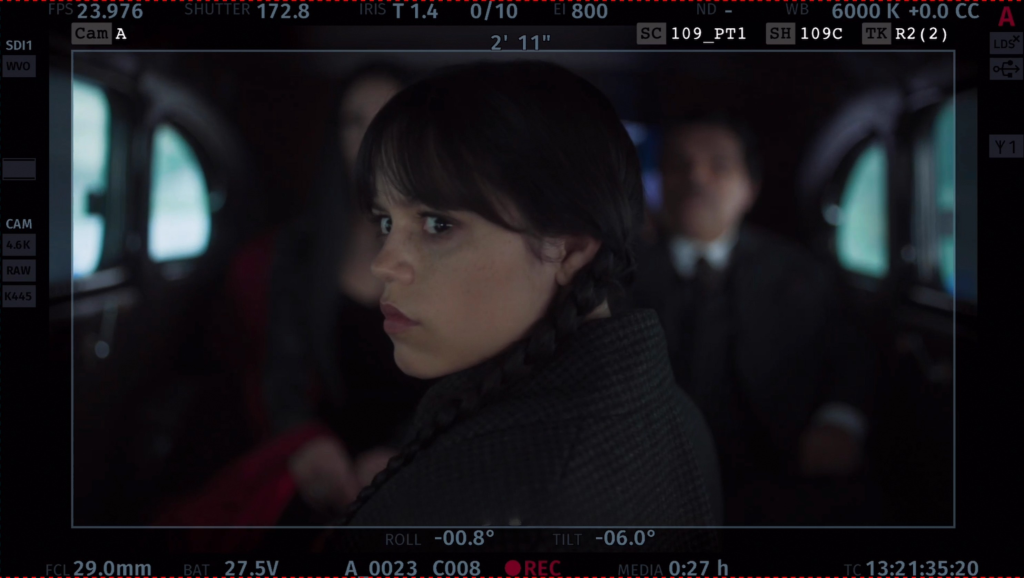
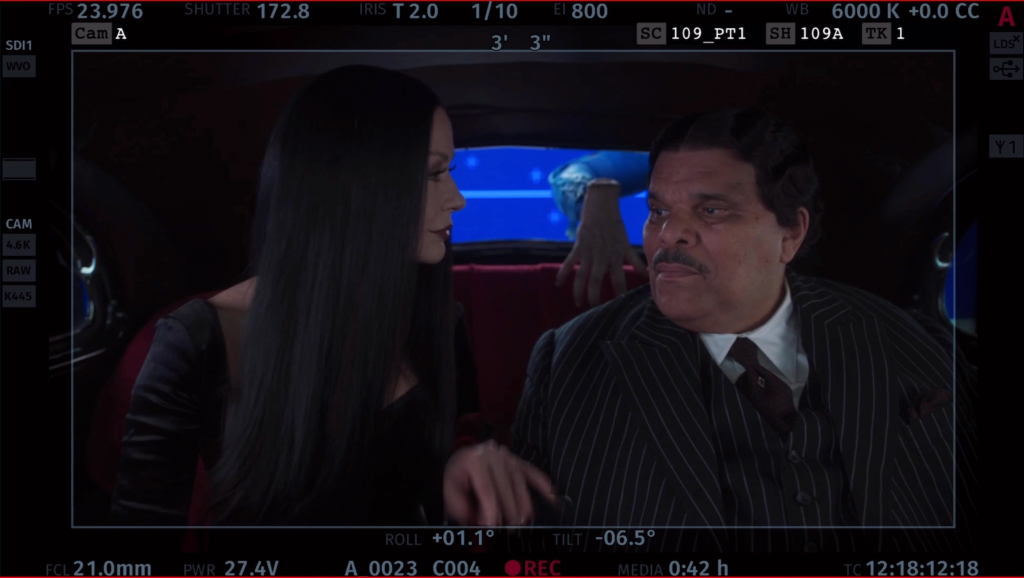
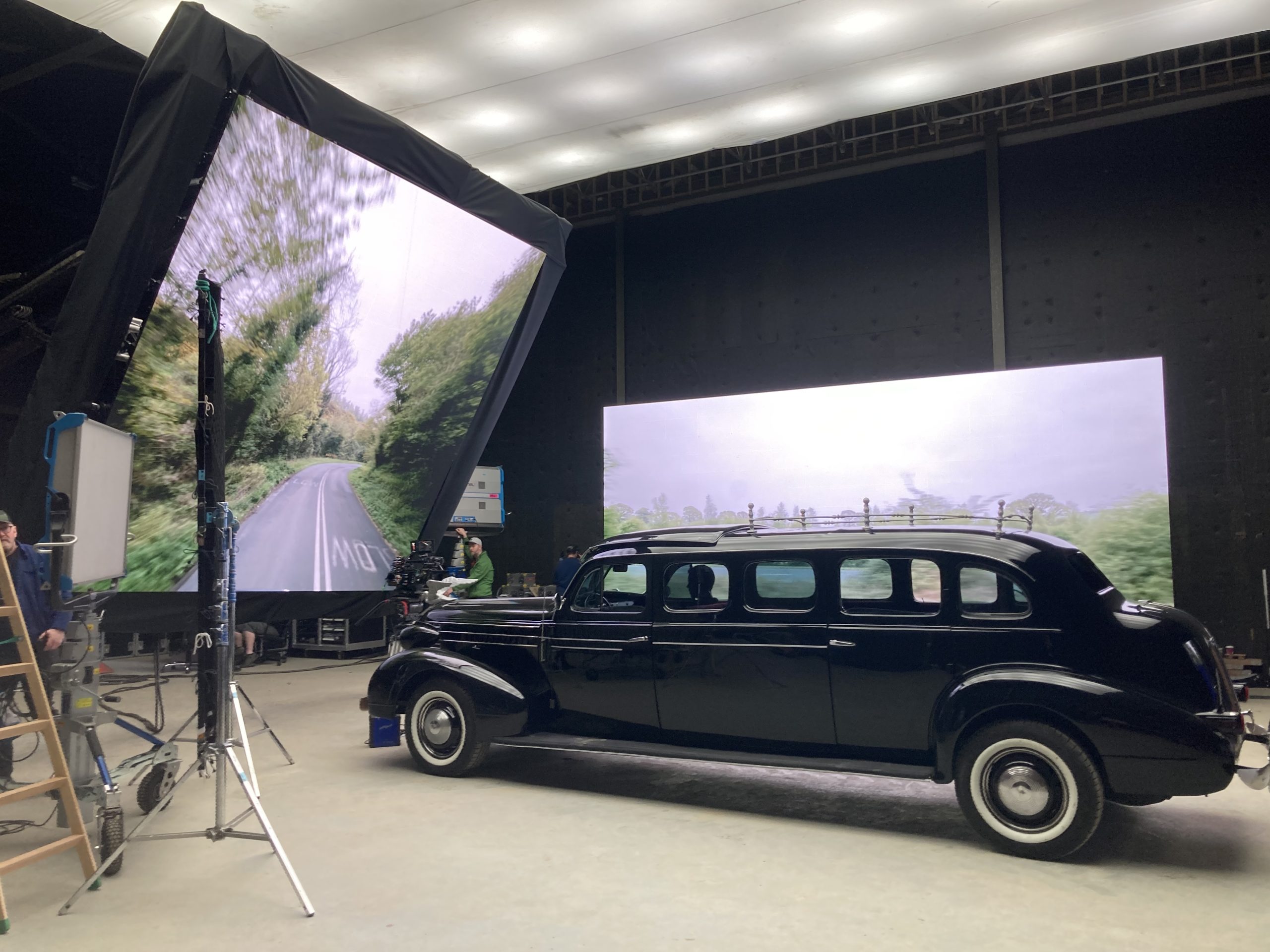
The physical build was simple. We used flat walls, but the technical requirements were high. The VFX supervisor requested an in camera blue frustum because final plates had not yet been chosen. We played reference material outside the vehicle to generate realistic reflections while keeping post production flexible.
Each tracking marker had to be placed individually across the wall.
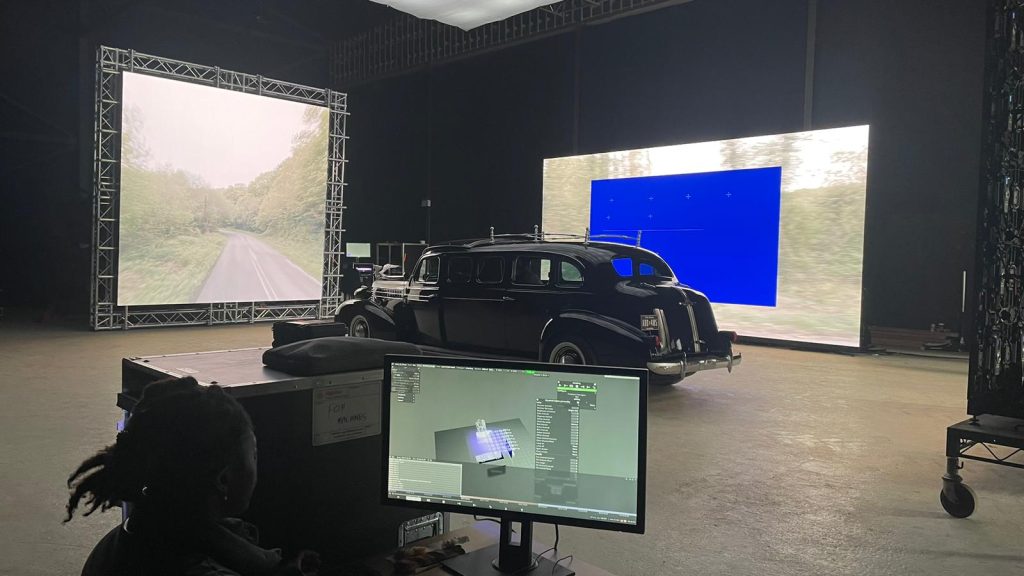
Low Brightness Testing
A week before shooting we ran a camera test to find the lowest usable nit level that would still produce workable plates.
The show is intentionally dark and depends on controlled lighting rather than brightness. The LED wall therefore had to run at extremely low levels. The Brompton processors handled this cleanly and held image stability even at minimal output.
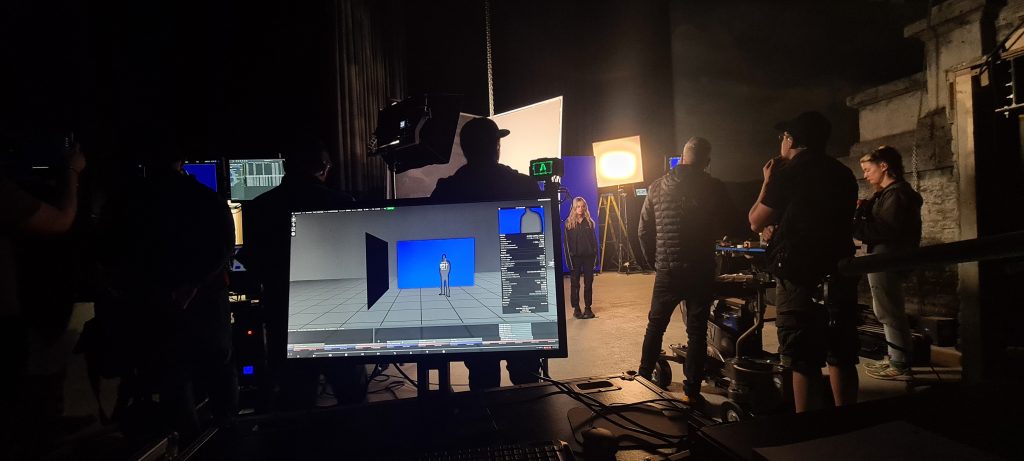
Pixel Mapped SkyPanels
Another goal was to drive content through the ceiling of ARRI SkyPanels to create interactive lighting.
This was my first time working with pixel mapped fixtures at this scale. Forty eight SkyPanels sat above the Addams Family Pontiac and documentation for d3 at the time was very limited. Through testing, research, and internal guidance from Disguise I managed to get the system running.
This was pre R20, so the tools were far less developed than today. Since then I have refined the workflow and later applied it more efficiently on other projects including the upcoming Michelle Yeoh feature, The Surgeon.
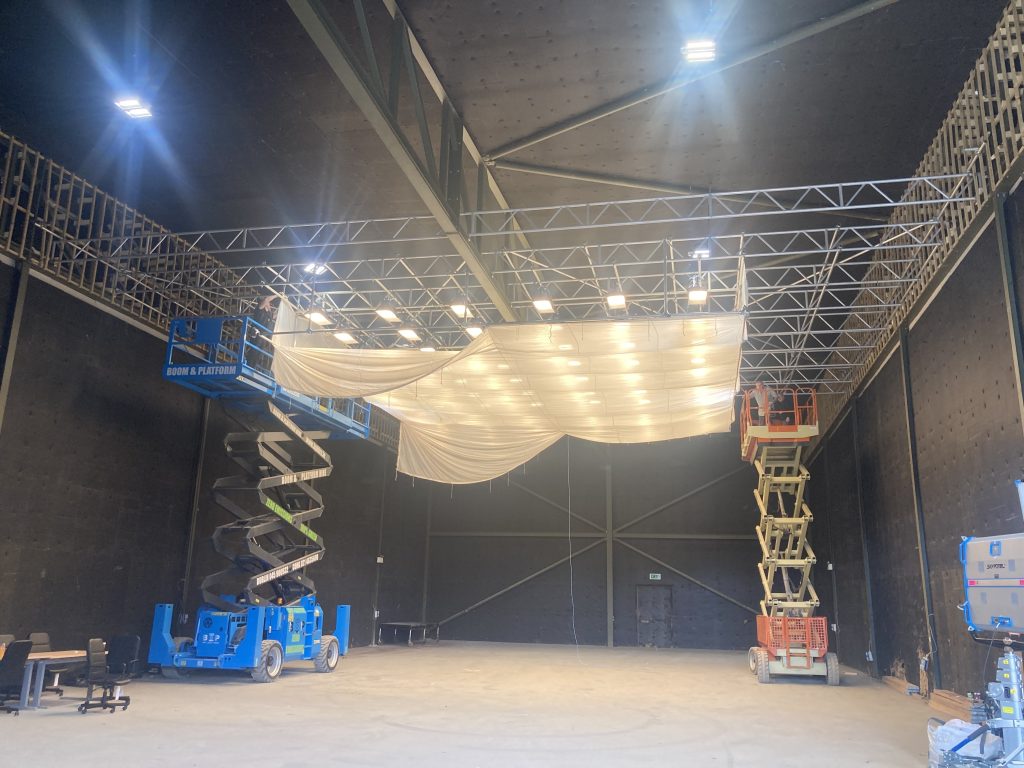
During the shoot, the DOP wanted direct manual control of the lighting while we were also attempting Disguise playback. Both workflows require ownership of the fixtures and normally need prep time to safely hand control between departments.
As the request came on the morning of the shoot, the priority became keeping lighting reliable for camera and protecting the schedule. We ran the fixtures conventionally for the day, but the testing gave me the understanding needed to make the hybrid workflow work on later productions.
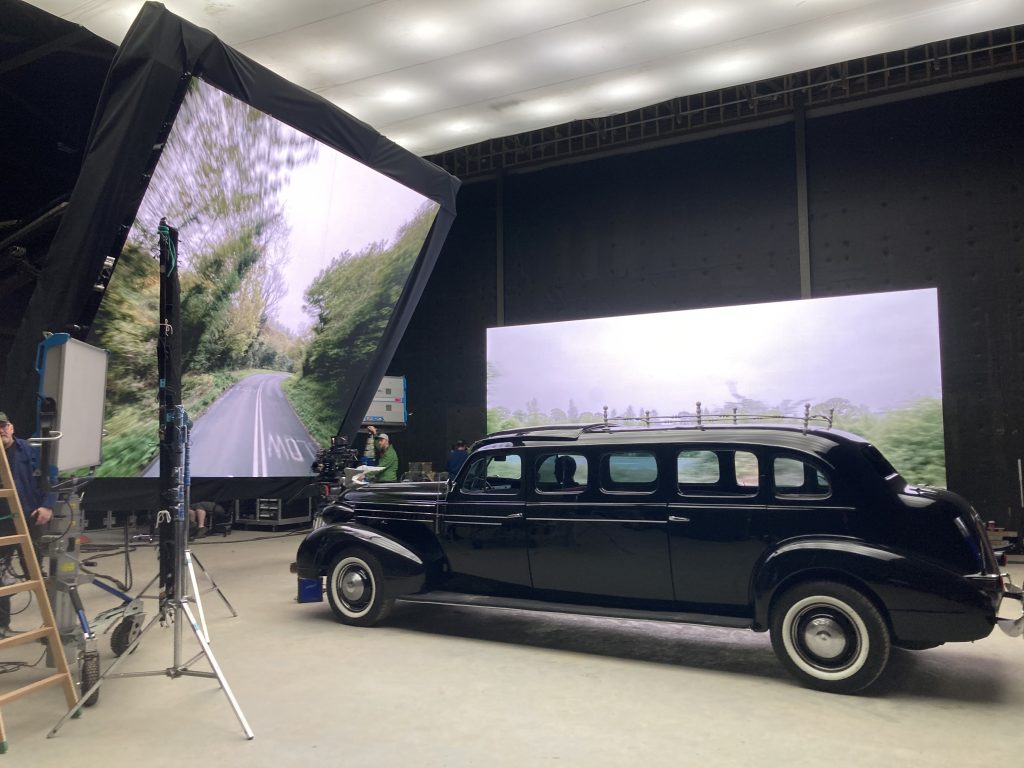
Like most fast paced shoots, some ingenuity was required. One of the walls ended up mounted on a Manitou. Wild to see, and not even the first time I had encountered it on a production. Not ideal, but it worked.
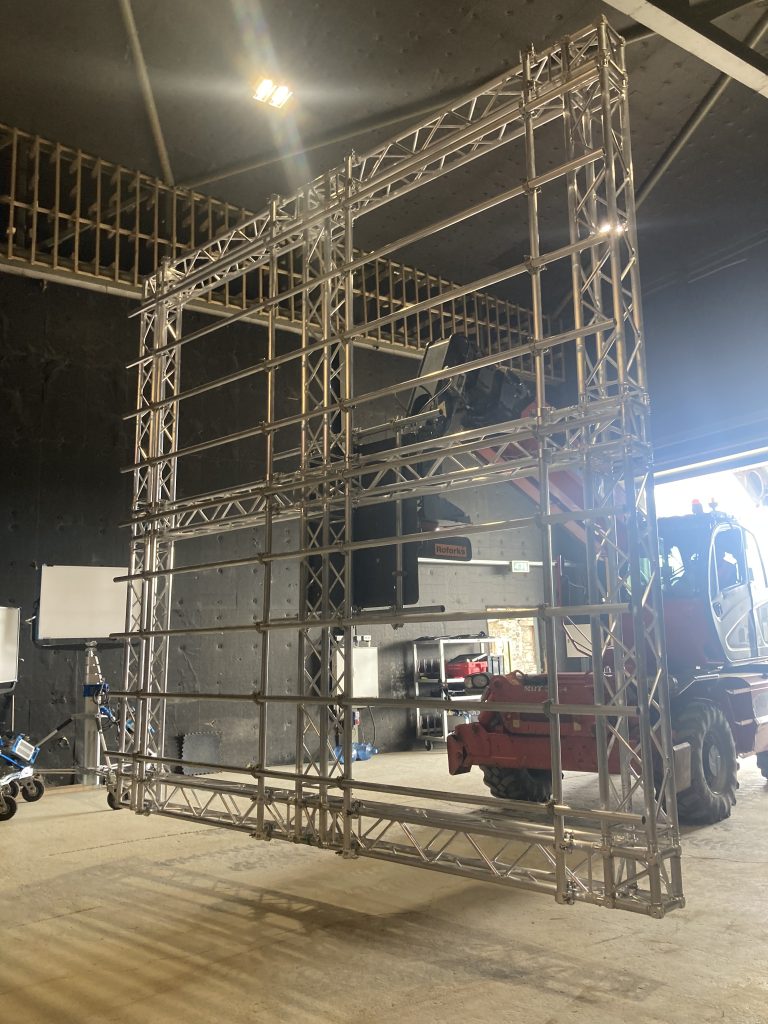
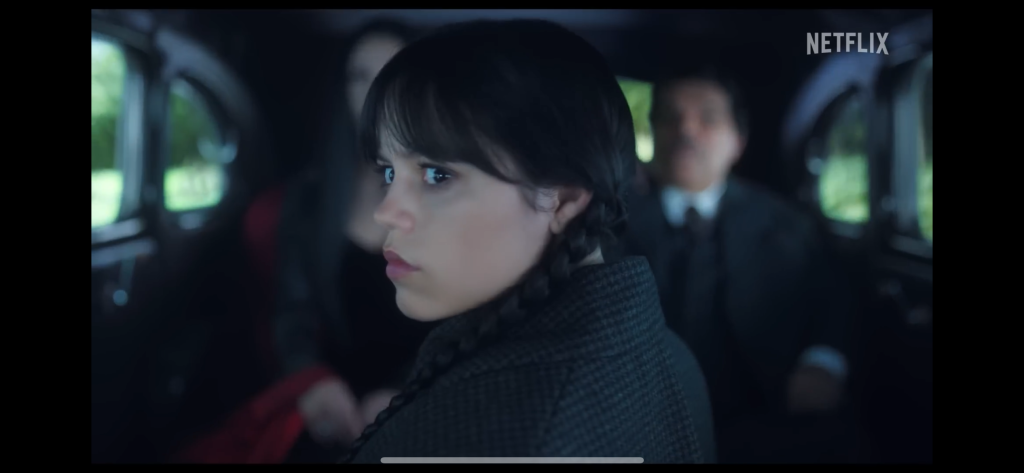
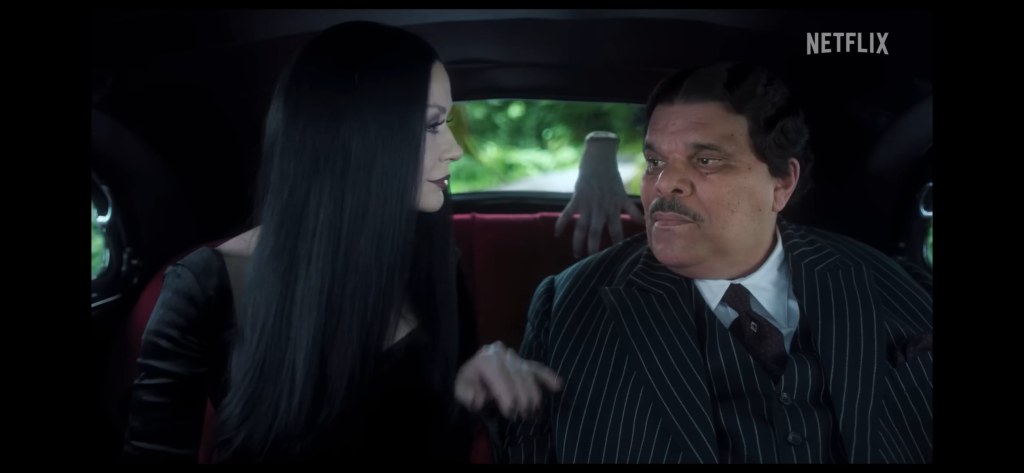
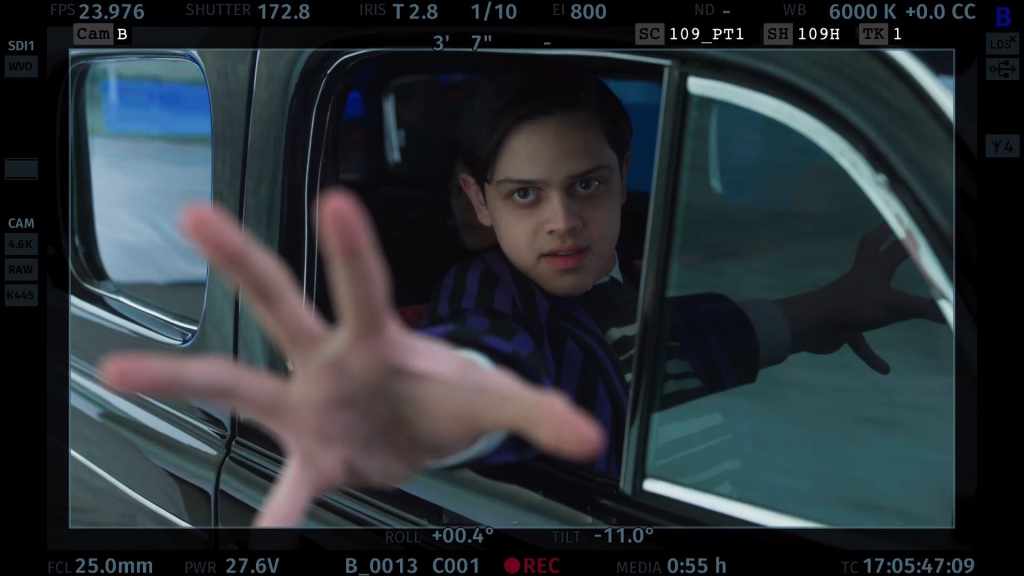
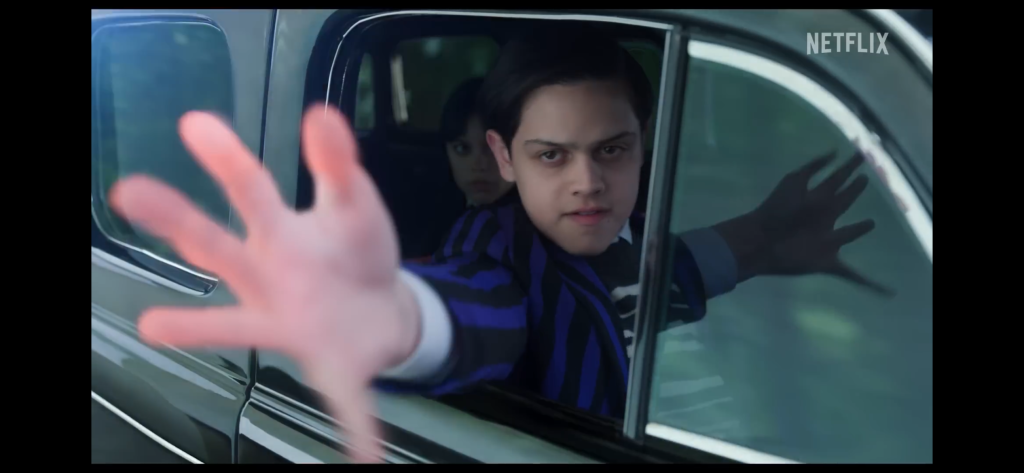
The results appear in the opening scenes of episode one and in the release trailers. Seeing work you contributed to appear on Netflix never really stops feeling surreal.
A great production and a genuinely lovely crew. Still cannot quite believe I can now officially say I worked on a Tim Burton set!!
Final Result